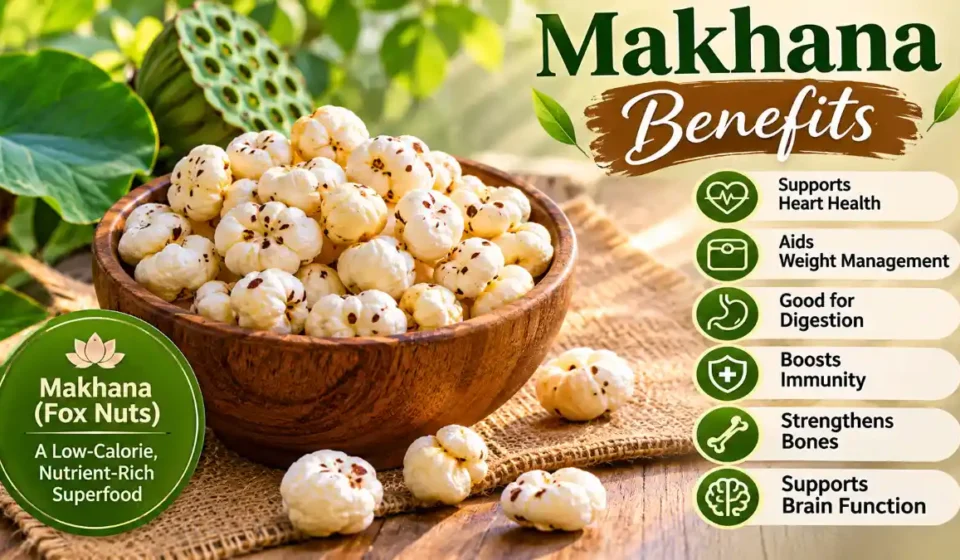

Makhana (or fox nuts/popped water lily seeds) are a source of carbohydrates for energy, some plant-based protein, several important minerals, and natural antioxidant compounds. Due to its light and crispy consistency, makhana can be used as a simple and quick snack, particularly for those trying to control their body weight or make better food choices.
Popped plain makhana has a naturally low fat content; however, the flavored types of makhana typically contain additional oil, salt, and sugar. There are some roasted varieties of makhana that havebeen shownd to produce a low glycemic response when consumed by humans. However, there are many of the medicinal properties claimed to be present in makhana that do not currently have sufficient clinical support.
What Are Makhana Benefits?
Makhana is derived from the edible seeds of the Euryale ferox, which is an aquatic plant typically referred to as the prickly water lily. After being processed and then popped, these seeds become the crisp, white kernels that are eaten throughout much of India.
Although many people refer to these as lotus seeds, makhana is actually produced by a different type of plant than the true lotus seed (Nelumbo nucifera). While makhana is referred to as “fox nut”, it is scientifically classified as a seed and not as a tree nut.
Raw seed is different from the cooked and ready-to-eat kernels (popped makhana) we purchase for consumption. Makhana can be roasted to make it more crispy, or cooked with oil, ghee, and other flavorings, which changes its nutritional properties.
| Feature | Description |
| Common names | Makhana, fox nuts, gorgon nuts, phool makhana |
| Scientific name | Euryale ferox |
| Plant family | Nymphaeaceae |
| Food type | Edible aquatic plant seed |
| Main macronutrient | Carbohydrates |
| Texture | Light and crunchy |
| Gluten | Naturally gluten-free before cross-contact or added ingredients |
| Common uses | Snacks, curries, kheer, and fasting foods |
Makhana Nutrition Facts
Makhana’s nutritional value depends on its plant variety, how it was processed, and what is added to it. The following tables show the difference in nutritional content from popped makhana as reported by manufacturers, and the nutritional value of oil-roasted makhana. These are not general values for all products.
| Nutrient | Popped (100 g) | Popped (30 g) | Oil-roasted (100 g) | Oil-roasted (30 g) |
| Carbohydrates | 84.9 g | 25.5 g | 75 g | 22.5 g |
| Protein | 9.5 g | 2.9 g | 7 g | 2.1 g |
| Fat | 0.5 g | 0.15 g | 13 g | 3.9 g |
| Dietary fiber | Not reported | Not reported | 2.5 g | 0.75 g |
A separate roasted makhana preparation had about 382 calories per 100g (equivalent to 115 calories per 30g).
The amount of phosphorus, magnesium, potassium, calcium, and iron contained in makhana can vary. While it does contribute some plant-based protein to your daily intake, a single serving of makhana typically contains very little. Therefore, it is most beneficial when consumed with other sources of protein, rather than as a substitute.
Health Benefits of Makhana
Provides Energy and Essential Nutrients
Makhana has carbohydrates as its main nutrient, so it is a good way to get energy. The plant protein found in makhana is used to keep your body healthy by repairing damaged tissue. Minerals like phosphorus and magnesium help you use the food you eat to create energy, use your muscles correctly, and make sure your bones stay strong.
Contains Natural Antioxidants
The natural presence of phenolic compounds and flavonoids with antioxidant properties has been demonstrated by laboratory testing for makhana. Different processing methods, such as roasting and popping, may have an effect on the amount and/or function of these compounds.
Laboratory results, by themselves, cannot prove whether eating makhana can protect people from developing chronic illnesses, prevent the onset of cancer, or slow the aging process in individuals.
Makhana Benefits for Weight Loss
Plain, dry-roasted makhana is a crunchy snack that can provide an alternative to those with high levels of added fats and/or sugars. As such, when consumed in moderate quantities, plain, dry-roasted makhana can be used as part of a weight-management program.
Even though makhana has a lighter consistency than other types of snacks, it still has both carbohydrate and caloric value. When you use large amounts of ghee, butter, and/or sugar with your makhana, you will be increasing the calorie level. To date,e there is no scientific evidence to support the claim that consuming makhana alone can cause you to lose weight and/or maintain that loss over time.
May Support Blood Sugar Management
The study reported a glycemic index (GI) of around 37 for the tested roasted fox nut preparation among 10 healthy adults aged 18 to 30; this placed it in the low-GI range.
Participants ate 33 g of roasted fox nuts (25 g available carbohydrate). Researchers then compared the participants’ short-term blood glucose response after eating the fox nuts with the participants’ response after eating a similar amount of carbohydrate from glucose.
The study is promising but cannot be used to determine whether there will be long-term benefits to people who have diabetes, nor can it provide a standard GI value for each type of makhana product.
The glycemic index (GI) compares the rate at which different foods raise blood glucose levels after consuming equal amounts of available carbohydrates. In contrast to the GI, the glycemic load (GL) takes into account how much food is eaten. People with diabetes will find that portion sizes, food preparation techniques, and unique blood glucose responses to specific foods are still significant factors.
Fits Into a Heart-Healthy Diet
Unsalted makhana can be incorporated into an eating plan for heart health, which involves limiting both the amount of sodium consumed and the amount of saturated fats. It is possible that replacing heavily salted snack foods with unsalted fox nuts could assist in reducing the total consumption of sodium.
On the other hand, there has been no evidence that consuming makhana directly lowers cholesterol, lowers blood pressure, or protects against heart disease.
May Contribute to Digestive Health
Makhana’s dietary fiber supports normal bowel movements as part of a balanced diet. Fiber content is different for each preparation; thus, some makhana products are considered high-fiber foods.
While makhana may increase the amount of fiber you consume each day, it is not a proven method for treating constipation or other digestive issues.
Provides Minerals Involved in Bone Health
Makhana has several minerals (calcium, phosphorus, and magnesium) that are required for strong bones. It can be consumed as a component of a well-balanced diet.
The use of this product should not be used as an alternative to eating foods with high amounts of calcium, consuming sufficient quantities of Vitamin D and/or utilizing other well-known methods of preserving the integrity of your bones.
Potential Kidney and Skin Health Benefits
Makhana is a well-known food source that has been used in traditional medicine to treat kidney issues. Current studies on the potential health benefits of Euryale ferox have investigated both germinating seeds as well as various extracts and individual compounds from the plant.
However, results obtained from the experimental preparations can’t automatically apply to ordinary popping makhana. Reliable human research has not established improvements in kidney function, skin elasticity, wrinkles, or acne when eating fox nuts.
| Potential benefit | Evidence level | Practical relevance |
| Dietary energy | Established nutritional composition | Provides carbohydrates |
| Antioxidant properties | Laboratory research | Supplies natural phytochemicals |
| Weight management | Indirect dietary evidence | Portion-controlled snacking |
| Blood sugar management | Limited human research | Consider carbohydrate intake |
| Heart health | Indirect nutritional evidence | Choose lightly seasoned products |
| Digestion | General nutritional evidence | Provides variable amounts of fiber |
| Bone health | Nutrient composition | Complements a varied diet |
| Kidney and skin health | Preliminary research | Therapeutic benefits remain unproven |
Makhana Benefits for Females and Males
Makhana Benefits for Females
The carbohydrate content, plant protein content, and mineral content of Makhana provide everyday nutritional support for women. As a snack with a crunchy texture, Makhana can be used as a low-calorie alternative to snacks that are high in seasoning.
Claims regarding the ability of makhana to regulate menstruation, balance hormones, improve fertility, alleviate symptoms associated with menopause, and treat Polycystic Ovary Syndrome (PCOS) have little supporting clinical evidence.
Makhana Benefits for Males
Men will receive the same nutritional benefits from eating makhana (fox nut) as women; specifically, makhana provides carbohydrates and a small amount of plant protein. When combined with yogurt, milk, nuts, or seeds, makhana makes for a much healthier and more complete post-workout snack.
There is no credible human evidence to suggest that consuming makhana can boost testosterone levels, enhance sperm quality, increase sexual performance/stamina, or effectively treat male infertility.
Is Makhana Safe During Pregnancy?
Makhana is generally acceptable for consumption as part of a varied prenatal diet. When considering foods to eat during pregnancy, one should take into account food safety/hygiene, allergy risks, excessive salt/sodium, and overall carbohydrate consumption, especially if you have been diagnosed with gestational diabetes.
The role of makhana as a part of daily nutrition does not mean it is capable of replacing the benefits provided by prenatal supplements or other sources of nutrients such as iron, folate, calcium, and protein. There are no studies to date that demonstrate makhana’s ability to prevent miscarriage or increase breast milk production.
How Much Makhana Should You Eat Daily?
As an adult, you can use a portion of approximately 28 to 30 grams (1 ounce) as a reasonable snack serving. However, there are no medical guidelines for how much makhana you should eat each day.
The amount of food that you consume should be based on your nutritional requirements, your level of physical activity, any health issues you may have, and the types of food you are consuming.
You can eat makhana in the morning, afternoon, evening, or before working out. There is no reliable evidence that suggests eating makhana on an empty stomach provides any health benefits.
Healthy Ways to Eat Makhana
Dry-roasting plain makhana will create a crispy texture with no added fat for cooking. To give the dry-roasted plain makhana some added taste, you could use a very little bit of olive oil or ghee; however, this will add calories to your dry-roasted plain makhana.
Beyond just as a snack, makhana also goes great with milk, curries, trail mix,s and even kheer. While sweetened, caramelized, and heavily salted versions of makhana can be delicious, these types of makhana are usually not recommended for consumption on a regular basis due to the amount of added sugars and/or sodium.
Easy Makhana Snack Recipes
Dry Roasted Makhana: Heat a pan on low-to-medium heat. Place 30g of raw popped makhana into the pan and stir occasionally while cooking until they are crunchy. After the makhana have been cooked thoroughly, season with black pepper, dry roasted cumin powder, and a small amount of salt (if needed).
Makhana and Nut Snack Mix: Mix 30 grams of roasted makhana (fox nuts) with 15 grams of almonds and 10 grams of pumpkin seeds. This is a good source of carbohydrates, protein, dietary fiber, and healthy unsaturated fats.
Makhana vs. Popcorn and Almonds
The roasted makhana, which has been tested, was found to provide about 115 calories in a 30-gram serving. In comparison, air-popped popcorn was found to have 116 calories,s and almonds were found to have 174 calories per 30-gram serving.
Makhana and popcorn have high amounts of carbohydrates, whereas almonds contain a greater amount of protein and healthy (unsaturated) fats for the same size portion. Popcorn also has some of the health benefits of eating a whole grain snack.
No single food is always better for you than every other food; each food has different nutritional benefits.
Makhana Side Effects and Precautions
While there is no doubt that makhana can be incorporated into your daily diet to help you maintain a healthy lifestyle, there are some important considerations that need to be made if you plan on consuming large quantities of makhana or purchasing products that contain high amounts of flavoring.
Digestive discomfort: If you eat too much food at one time,e it can lead to either bloating or stomach pain in those who are sensitive.
Allergic responses: Packaged makhana can be contaminated by other potential allergens at the time of manufacture.
Excessive calorie intake: Eating too much and using a lot of fat when cooking can cause you to consume more calories than needed per day.
The higher-salt version of these items is likely not appropriate for individuals who have high blood pressure (hypertension) or are on a low-sodium diet.
Diabetes patients need to be aware of their overall intake of carbohydrates, the amount of food they consume each meal (portion), and the amount of sugar added to foods.
The risk of choking is high with whole popcorn kernels. Whole popcorn kernels can pose a choking hazard to small children.
People who have long-term kidney problems need to develop an individual plan for what they eat in terms of phosphorus, potassium, and sodium.
How to Choose and Store Makhana
When purchasing packaged makhana, examine the ingredient list and understand how to interpret the Nutrition Facts label. Take note of serving size, calorie content, carbohydrate content, protein content, fiber content, saturated fat content, added sugar content, sodium content, and cooking oil content. Also, consider allergen information, package condition, and expiration date.
Keep plain popped makhana in an airtight container in a cool, dry place according to the manufacturer’s storage instructions. When exposed to moisture, the kernels will lose their crispness. Dishes cooked using milk or other perishable ingredients need to be refrigerated.
Makhana Myths vs. Facts
Myth: Makhana is calorie-free. Fact: Makhana has calories (mainly from carbs).
Myth: Makhana is a cure for diabetes. Fact: Makhana does not replace the medication that you take for diabetes.
Myth: Makhana is good for your kidneys. Fact: There is no strong scientific data available that supports this idea.
Myth: Makhana is always a good option for people who want to eat healthy. Fact: The nutritional quality of makhana products will depend upon how they were prepared and what other ingredients were included in the product.
Frequently Asked Questions
What are the main health benefits of makhana?
Makhana provides carbohydrates for energy, modest amounts of plant protein, essential minerals, and antioxidant compounds. Plain varieties can be a nutritious snack when enjoyed as part of a balanced diet.
Is makhana good for weight loss?
Yes, makhana can fit into a weight-management diet, especially when it replaces snacks containing excessive added fats or sugar. However, it does not directly burn body fat. Portion size and overall calorie intake still matter.
What are the benefits of makhana for males and females?
Makhana offers similar nutritional benefits to both men and women, including energy, plant protein, and minerals. Claims involving improved fertility, testosterone production, or hormonal balance are not supported by sufficient human clinical evidence.
Can you eat makhana every day, and how much should you eat?
Yes, you can eat makhana daily as part of a varied diet. A serving of approximately 28–30 grams is a practical starting point for many adults, although the appropriate amount depends on individual nutritional needs and health conditions.
What are the side effects of makhana?
Some people may experience bloating, digestive discomfort, or allergic reactions. Flavored varieties can also contribute excessive sodium, sugar, or calories. These are potential dietary concerns rather than established common side effects specific to makhana.