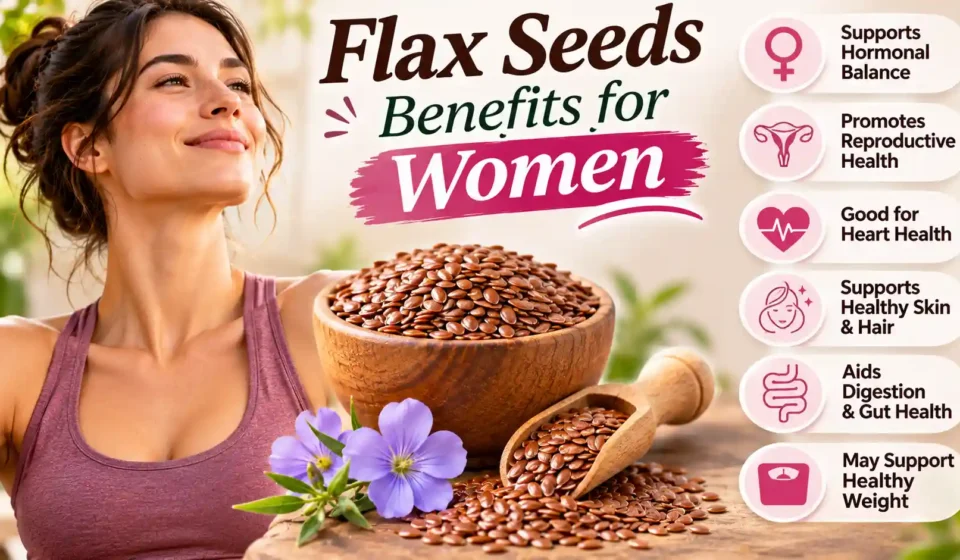

The benefits of flaxseed for women include providing a source of dietary fiber, plant-based omega-3 fatty acids, lignans, protein, and minerals. In addition to being a rich source of nutrients, research has investigated how flaxseeds may affect female hormones, menopause, menstrual cycle regularity,y and polycystic ovarian syndrome (PCOS). Many of these possible health effects of flaxseed have yet to be confirmed.
Generally, ground flaxseed is a better option than whole flaxseed as it’s easier for the human digestive system to process and therefore allows you to derive greater nutritional benefit from it.
Flax Seeds Benefits for Women
The Linum usitatissimum plant produces flaxseeds. These seeds are high in soluble and insoluble fiber, good fats, and phytochemicals called lignans.
One tablespoon (approximately 7 grams) of ground flaxseed provides:
| Nutrient | Approximate amount |
| Calories | 37 kcal |
| Dietary fiber | 1.9 g |
| Protein | 1.3 g |
| Total fat | 3 g |
| Carbohydrates | 2 g |
| Polyunsaturated fats | 2 g |
| ALA omega-3 fatty acids | 1.6 g |
ALA (alpha-linolenic acid) forms part of the polyunsaturated fat content. ALA is a plant-based omega-3 fatty acid, which is an essential nutrient for our body. However, our bodies can only convert a very low percentage of ALA to EPA and DHA, the omega-3 fatty acids that are usually found in fish.
10 Potential Health Benefits of Flax Seeds for Women
Flaxseed has been shown to have positive health effects in humans; however, there is currently insufficient scientific data to support its potential role in improving women’s health.
| Potential benefit | Key nutrient or compound | Evidence and limitations |
| Digestive health | Fiber | Supports bowel regularity |
| Cholesterol management | Fiber and lignans | May lower LDL cholesterol |
| Heart health | ALA and fiber | Supports heart-healthy nutrition |
| Hormonal health | Lignans | Clinical benefits remain uncertain |
| Menopause | Phytoestrogens | Inconsistent symptom relief |
| Reproductive health | Lignans and fiber | Preliminary research |
| Breast health | Lignans | Cancer prevention unproven |
| Weight management | Fiber | May promote fullness |
| Skin health | Essential fatty acids | Limited direct evidence |
| Hair health | Protein and healthy fats | Hair growth benefits unproven |
Supports Digestive Health
Flaxseeds are high in both soluble and insoluble fibers that will assist you in having normal bowel habits as well as providing relief from constipation. Soluble fiber can take in water, while insoluble fiber increases the size of your stool so it is easier for your body to move it through your digestive system.
May Help Lower Cholesterol
Eating flaxseed every day may help lower both your overall cholesterol level and your “bad” cholesterol (LDL). Studies have shown that when it comes to managing cholesterol levels, eating flaxseed in either its whole form or ground into a powder is likely to provide greater benefits than consuming flaxseed oil. It’s important to remember that there are no guarantees as far as how flaxseed will affect your cholesterol levels. And, you cannot use flaxseed as a substitute for prescription medications used to treat high cholesterol. The National Center for Complementary and Integrative Health’s cholesterol research overview discusses the available evidence for flaxseed preparations.
NCCIH
Supports Heart-Healthy Nutrition
Because it contains both ALA omega-3 fatty acids and dietary fiber, flaxseed is an excellent component of a heart-healthy diet. Flaxseed is recognized for its high nutritional quality; however, there is little evidence that consuming flaxseed on its own will help prevent heart attacks or strokes.
Flax Seeds and Female Hormones
The gut bacteria convert the flaxseed lignans into two chemical components: enterolactone and enterodiol. These two chemical components exhibit phytoestrogen properties; therefore, they may affect some of the ways that the estrogen-related processes occur in the human body.
Phytoestrogens differ from the hormone produced by humans. The effects of phytoestrogens can be difficult to predict. Consumption of flaxseed will not produce consistent changes in your body’s levels of estrogen; neither will it correct progesterone deficiencies, nor will it address hormonal imbalances.
Flaxseed Benefits for Menopause
Flaxseed has gained attention as an alternative treatment for menopausal symptoms. In one study of 188 women that was randomized and placebo-controlled, there was no measurable difference in the amount of hot flash relief experienced by women who ate flaxseed compared to women who received a placebo.
The 2026 systematic review of dietary intervention on menopausal symptoms has shown that there is no consistent evidence to support the use of flaxseed for the reduction of hot flashes or night sweats. Although flaxseed may not reliably reduce hot flashes or night sweats, it is still a good source of fiber and healthy fats during menopause.
Flax Seeds for Periods, PCOS and Fertility
The small number of clinical studies that have been conducted suggests that flaxseed can alter some of the hormonal and metabolic markers in women who suffer from PCOS. While there are a few studies on the use of flaxseed for treating PCOS that show positive results, they emphasize the need to conduct larger and better-designed studies. There are also varying findings regarding the effects of flaxseed on controlling blood glucose levels.
Evidence to date indicates that there is no documentation of flaxseed being able to help regulate irregular periods, restore ovulation, increase fertility, treat PCOS (Polycystic Ovary Syndrome), or diabetes. There is also very little clinical evidence to support seed cycling, which is a method used by women to consume different types of seeds during certain times of their menstrual cycles in order to balance hormones.
Potential Benefits for Breast Health
Researchers have examined whether there is an association between the consumption of flaxseed lignans and the development of breast cancer, as well as how these may affect the biological markers associated with tumors. While there have been a few promising early studies regarding the use of flaxseed for prevention and/or treatment of breast cancer, it cannot yet be stated that flaxseed can successfully prevent and/or treat breast cancer.
It is recommended that women being treated for breast cancer, as well as those undergoing hormonal treatment, consult with their medical staff before making substantial dietary adjustments and/or consuming large quantities of concentrated lignan supplements.
May Support Weight Management
The fiber content of ground flaxseed can contribute to feeling satisfied after meals and therefore can be a valuable component of an overall healthy eating plan. There is no direct evidence that consuming flaxseed will lead to increased fat burning around the waist area or guarantee weight loss. In general, your overall eating patterns, level of physical activity, and your individual health factors are much more important.
Provides Nutrients for Healthy Skin
Flax seeds contain the correct amount of essential fatty acids to support proper skin function. However, even though these essential fatty acids are required for the health of your skin, there is very little clinical data supporting the idea that consuming flax seeds can clear up acne, improve skin moisture levels, or reduce fine lines and wrinkles.
Provides Nutrients That Support Hair Health
Flaxseed is rich in plant-based proteins, healthy fats, and other essential nutrients that support a person’s total nutritional intake. It has been reported to have some effect on thinning hair and/or alopecia, but there is no scientific evidence to support this claim. Also, any potential positive impacts from applying flaxseed gel or oil directly to your hair are distinct from the potential benefits derived from consuming the actual seeds.
Ground Flaxseed vs. Whole Flaxseed vs. Flaxseed Oil
| Feature | Ground flaxseed | Whole flaxseed | Flaxseed oil |
| Dietary fiber | Present | Present | Essentially none |
| ALA omega-3 | Present | Present | Present |
| Lignans | Present | Present | Usually very low |
| Digestibility | Generally easier to digest | Some seeds pass through intact | Provides accessible fats |
| Common uses | Oatmeal, yogurt, baking | Baking and toppings | Salad dressings |
Flaxseed that has been ground up (or milled) will provide all three of these benefits (fiber, lignans, and omega-3) at once. While whole flaxseed can pass through your body completely intact, ground flaxseed allows for the nutrients to be absorbed.
How to Eat Flax Seeds for Women
Many healthy, nonpregnant adult individuals may reasonably consume one to two tablespoons (7 to 14 grams) of ground flaxseed per day as part of their diet. The amount suggested above represents a practical food serving and not an established treatment dosage or universal safe consumption limit.
If you are unfamiliar with flax seeds, begin by taking a single teaspoon and slowly increase the amount as your digestive tract becomes accustomed to the extra fiber.
Simple ways to enjoy ground flaxseed include:
- Stirring it into yogurt or oatmeal.
- Adding it to smoothies or whole-grain cereal.
- Mixing it into homemade bread, pancake batter, or muffins.
- Sprinkling it over cooked vegetables.
When you start eating more fiber-rich foods, make sure you are drinking enough water. Store your flaxseeds in a sealed container where they won’t be exposed to heat, light, or moisture. To keep the freshness of your ground flaxseed longer, consider storing it in the refrigerator. If you notice a bad odor or flavor coming from your seeds, throw them out immediately.
Flaxseed Side Effects and Precautions for Women
Flaxseed can enhance the nutritional value of your diet; however, there are many people who should not consume flaxseed. Here are some precautions that you need to take into consideration when using flaxseed:
- Eating too much flaxseed may cause bloating, gas, or diarrhea.
- Increasing fiber intake without drinking enough water may worsen constipation.
- People who have difficulty swallowing, or people with a bowel obstruction, need to consult with a doctor prior to eating flaxseed.
- Women on blood thinners or on any medication should consult a doctor or a pharmacist about possible drug interactions.
- Avoid flaxseed if you have a known allergy to it.
- Avoid eating raw or unripe flaxseeds.
The safety of consuming flaxseed when pregnant is unclear. Many medical experts recommend against consuming flaxseed during pregnancy, and the amount of safety data available about using flaxseed while breastfeeding is limited. Therefore, you should consult with your doctor prior to using flaxseed daily or using flaxseed supplements during either time. The NIH’s flaxseed safety guidance discusses pregnancy, breastfeeding, possible side effects, and medication interactions.
NCCIH
Women who have hormone-sensitive medical problems should obtain a physician’s opinion before taking concentrated flaxseed or lignan supplements.
For additional information about including fiber-rich foods in your diet, see high-fiber fruits and high-protein snacks.
Frequently Asked Questions
What are the main benefits of flax seeds for females?
Flaxseeds support digestive regularity, provide essential plant-based omega-3 fatty acids, increase dietary fiber intake, and may help lower LDL cholesterol. Their potential hormonal and reproductive benefits remain less certain.
Can flax seeds help balance female hormones?
Flaxseeds contain lignans that interact with estrogen-related pathways. However, there is not enough clinical evidence to conclude that eating flaxseed reliably balances female hormones or corrects hormonal disorders.
Are flax seeds good for periods and PCOS?
Flaxseeds can be part of a nutritious diet for women with PCOS. Although early research suggests potential metabolic and hormonal benefits, they are not proven to regulate periods, improve ovulation, or treat PCOS.
How much flaxseed should a woman eat daily?
One to two tablespoons of ground flaxseed daily is a reasonable dietary portion for many healthy, nonpregnant women. Start with a smaller amount if you are not accustomed to eating high-fiber foods.
Are flax seeds safe during pregnancy and breastfeeding?
Their safety during pregnancy and breastfeeding has not been firmly established. Speak with your healthcare professional before consuming flaxseed regularly, particularly in large amounts or concentrated supplement form.